What Billet is best for flint knapping?
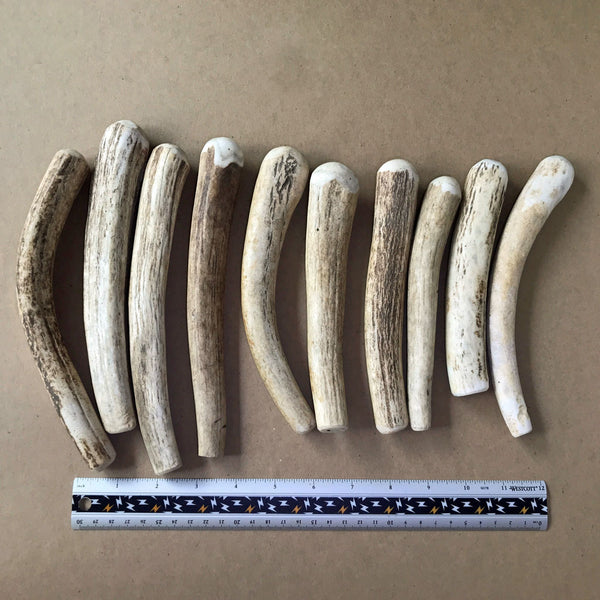
There are 3 major types of billet in common use among modern flint knappers. Most traditional is the time tested antler billet, made from the base of an antler of deer, moose or elk.
There are also metal billets that are simply rods of metal, usually softer than steel. Copper is the most common type of metal billet, followed by aluminum .
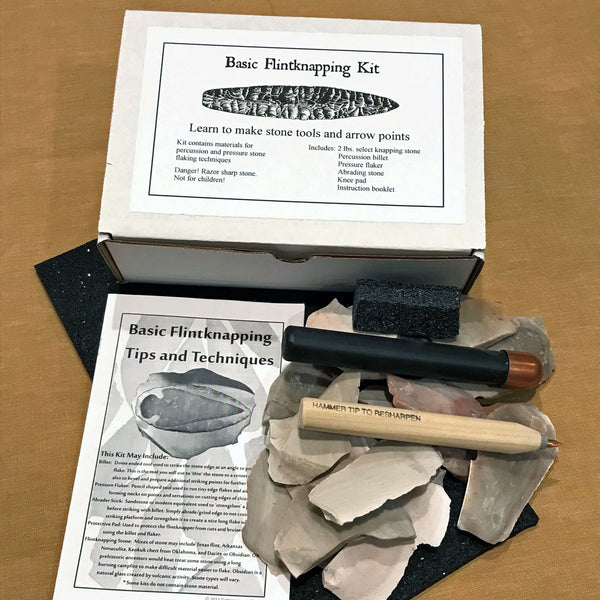
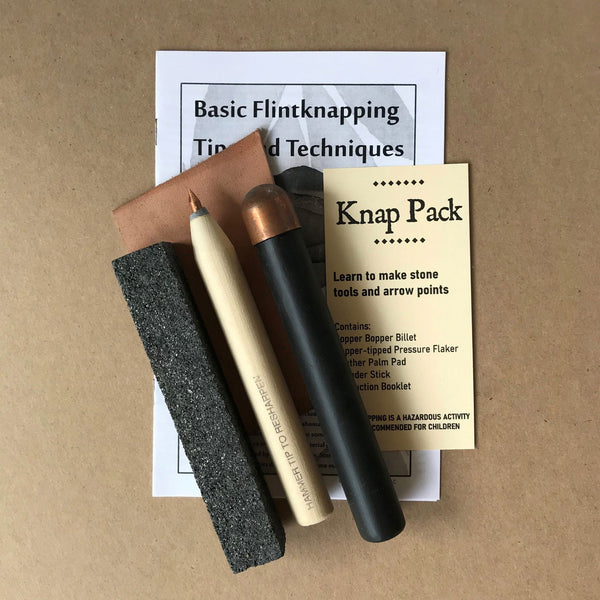
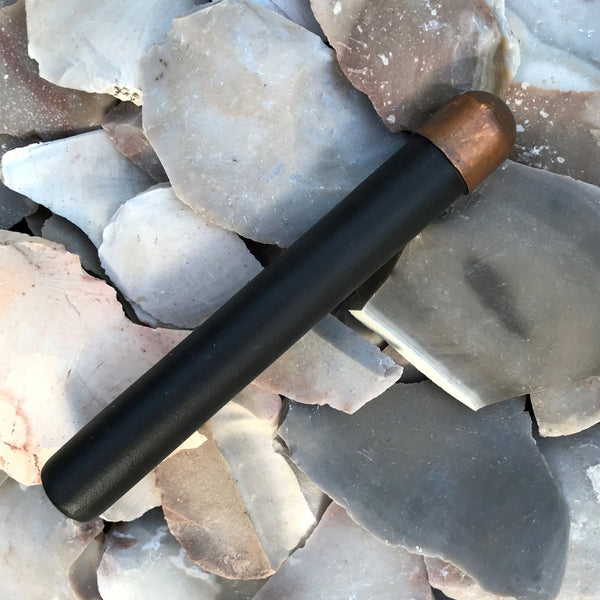
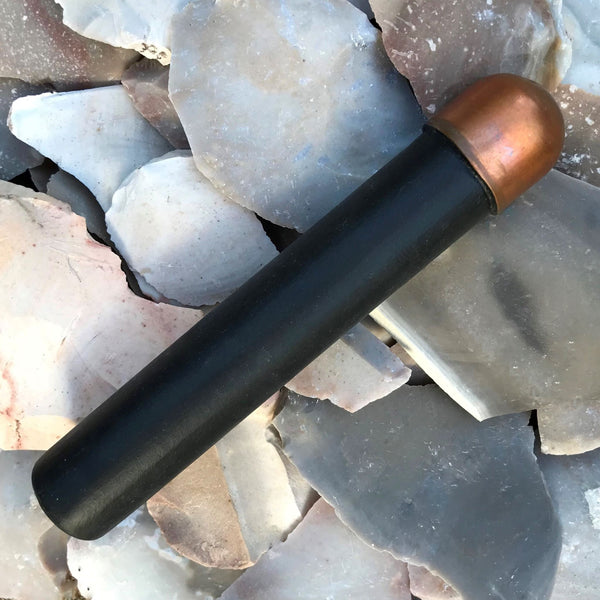
Last is the composite billet -- a modern thing usually a mix of copper, aluminum, lead, glue and wood. The most common form of composite billet is called the copper bopper.
Antler is the best choice for traditionalists, anthropology and archaeology students. It bites into the stone and delivers a soft blow. You have to swing it pretty hard, unless you use an especially heavy one. Antler billets wear away slowly and must be re-faced back into a dome as when the face becomes flat irt does not work well. You need the billet contacting the stone in a single point to be accurate, and that happens best with a domed surface.
Solid metal billets are work horses. They tend to be practically indestructible, some -- the aluminum ones -- are inexpensive, and they will process a ton of material. By contrast an antler billet will need resurfacing after chipping only 20 or 30 pounds of material. Copper and aluminum billets resurface themselves.

The composites and copper boppers are not so durable, but they are easy to use and easy to learn with, and some of the fancier ones are repairable. A typical copper bopper is a copper plumbing cap that has been hammered into a dome and filled with lead. The cap is then glued to a dowel. Once you wear through the copper cap, the billet tends to degrade quickly.
If you want your work to look like Native Americans made it, choose antler. The flake scars tend to be flat like you see on artifact examples. Copper boppers are next in simulation of natural flaking patterns, and the metal billets -- copper and aluminum have a slightly different character to their flake scars, and tend to leave a little deeper flake. With antler it is important to prepare a very good platform to strike, with metal billets it is less needed.
Antler billets come in different sizes, and they can best be used for different types of work. Moose billets are usually up to about 2 pounds, and shear large flat flakes from large preforms. Deer antler billets are usually from about 12 ounces maximum to about 6 ounces for the smallest. Deer antler billets can actually do most types of work on blades less than 6 inches. Use a small billet if you want to do small, controlled work.

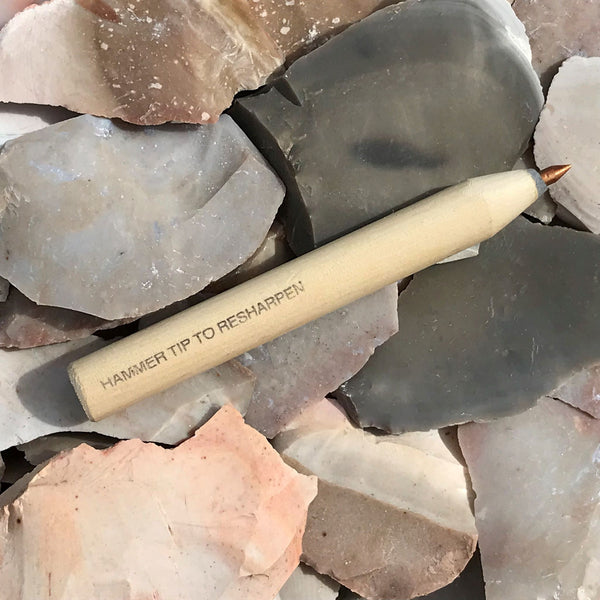
The other task in flintknapping is pressure flaking. There, we find metal tools with copper or steel tips, and traditional antler tools such as antler tines and bone punches. The primary difference in pressure flaking tools is that metal lasts much longer than antler tools. It can ruin an antler tool's tip to make even two or three points, and any work at all usually requires resharpening.